PAINTING TILE FLOORS
March 9, 2026 · 10 min read
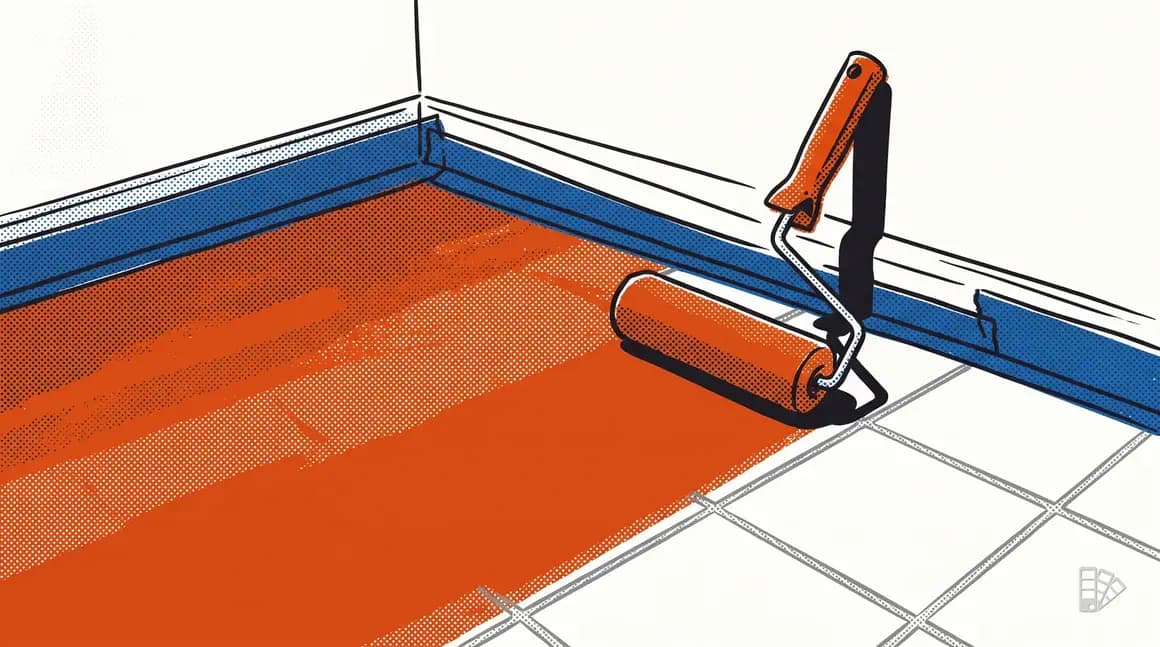
WHICH TILES CAN YOU PAINT?
Glazed ceramic
YESMost common — scuff with 220-grit, prime, paint
Common in: Bathroom, kitchen, entryway
Porcelain
YESHarder surface — requires extra sanding and bonding primer
Common in: Bathroom, entryway
Quarry tile
YESPorous, absorbs primer well — easiest tile to paint
Common in: Kitchen, mudroom
Encaustic / cement
MAYBEAlready porous — seal first or color fades unevenly
Common in: Entryway, bathroom
Natural stone (marble, slate)
NOPaint won't bond long-term — stain or seal instead
Common in: Any
Textured / anti-slip
MAYBEDeep grooves trap paint — expect heavier coats and touch-ups
Common in: Bathroom, outdoor
Painting tile floors is one of the cheapest ways to transform a dated bathroom, kitchen, or entryway — $95-140 in materials versus $800-1,500 for new tile installed. The catch? Tile is one of the hardest surfaces to get paint to stick to. Skip a single prep step and the finish peels within weeks. This guide covers exactly which tiles work, how to prep them properly, which paints last longest, and realistic expectations for how long painted tile holds up — based on what professional painters actually see on job sites, not marketing claims.
Step-by-Step: How to Paint Tile Floors
Total project time: 2 days (6-8 hrs active work). Budget an extra day of cure time before walking on it in socks. Full cure takes 7 days for epoxy, 3 days for porch/floor paint.
Deep clean the tile
30-45 minScrub with TSP (trisodium phosphate) or Krud Kutter to strip grease, soap film, and floor wax. Grout lines trap dirt — use a stiff brush along every seam. Rinse thoroughly and let dry completely.
Pro tip: Old wax is the number one reason painted tile peels. If you've ever waxed the floor, strip it with a dedicated wax remover before doing anything else.
Repair cracks and grout
1-2 hrs + dry timeFill hairline cracks with epoxy filler. Re-grout any missing or crumbling joints — fresh paint highlights every flaw. Sand patches smooth once cured.
Scuff-sand the surface
20-30 minSand the entire floor with 220-grit sandpaper or a sanding sponge. The goal isn't to remove the glaze — just rough it up enough for primer to grip. Wipe dust with a damp microfiber cloth.
Pro tip: For large floors, rent an orbital floor sander. Hand-sanding a 100 sq ft bathroom takes 30 min; a sander does it in 5.
Ventilate and tape
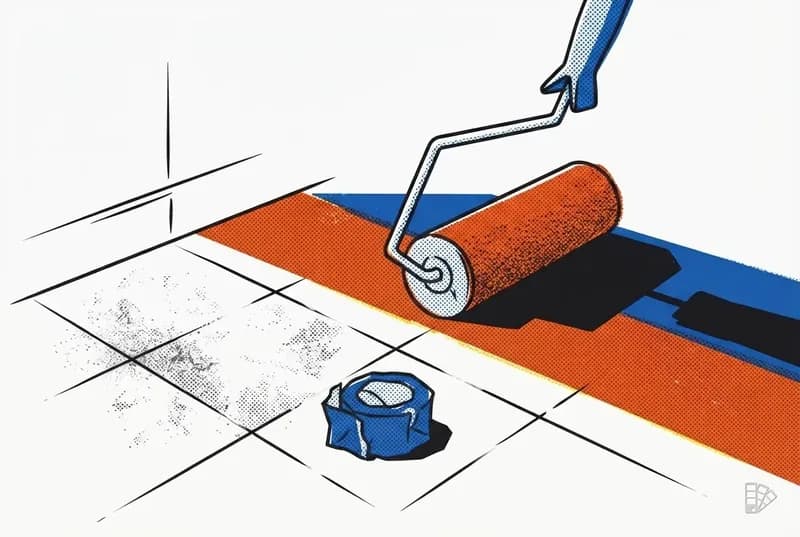
15 minOpen windows and run a fan. Tape off baseboards, door thresholds, and any fixtures touching the floor. Use quality painter's tape — cheap tape bleeds on textured grout lines.
Apply bonding primer
2-3 hrs (apply + dry)Use a bonding primer designed for slick surfaces (Zinsser BIN or KILZ Adhesion). Apply with a foam roller for smooth tile or a 3/8-inch nap roller if the tile has texture. One coat is usually enough — two if the tile is very dark.
Pro tip: Primer is non-negotiable on tile. Skip it and even the best epoxy will chip within weeks. This single step accounts for 80% of the project's long-term success.
Paint: two thin coats
4-6 hrs total (with dry time)Roll your chosen floor paint in thin, even coats using a foam or 3/8-inch nap roller. Start at the far corner and work toward the door so you don't paint yourself in. Wait the manufacturer's recommended recoat time (usually 4-6 hours) before the second coat.
Best Paint Types for Tile Floors
Epoxy floor paint
$45-70 / gallonBest for: Bathroom floors, high-traffic entryways
Pros: Hardest finish, chemical resistant, waterproof
Cons: Yellows in direct sunlight, strong fumes, 7-day full cure
Porch & floor paint
$30-50 / gallonBest for: Kitchen floors, laundry rooms, covered porches
Pros: Easy to apply, low odor, UV-stable, recoatable
Cons: Less abrasion resistant than epoxy, needs topcoat
Chalk / mineral paint
$35-55 / quartBest for: Low-traffic rooms, decorative stencil work
Pros: Matte finish, great for stencils, easy cleanup
Cons: Soft finish, requires wax or poly topcoat, scuffs easily
Pro recommendation: For most bathroom and kitchen tile floors, two-part epoxy is the gold standard. It bonds to slick surfaces better than any latex product and resists water, cleaning chemicals, and foot traffic. Reserve chalk paint for stencil projects in guest bedrooms or low-traffic powder rooms.
Painting Kitchen Backsplash Tile
The process for painting a kitchen backsplash is nearly identical to tile floors — clean, sand, prime, paint — but with a few key differences that affect which products you choose and how long the finish lasts.
Heat & grease exposure
Backsplash tile behind a stove sees heat and cooking grease daily. Use a high-adhesion primer (Zinsser BIN shellac-based) and a satin or semi-gloss finish for easy wipe-down.
Grout visibility matters more
Kitchen backsplash grout is at eye level. Paint the grout lines a contrasting color or use a grout pen after painting for a clean, modern grid look.
Stencils are easier on vertical tile
Unlike floors, backsplash tile doesn't need to resist foot traffic. Chalk paint with a stencil pattern works beautifully here — seal with 2-3 coats of water-based polycrylic.
Budget note: A painted backsplash costs $30-60 in materials versus $300-800 for new subway tile installed. Expect painted backsplash tile to last 3-5 years in a kitchen with proper prep and sealing. Learn more about the full cost breakdown for painting projects.
Backsplash stencil ideas that actually last
Moroccan tile stencils are the most popular pattern for painted backsplashes. Use a repositionable spray adhesive to hold the stencil flat against the tile, and dab — don't roll — paint through the openings with a dense foam pouncer. Two light coats beat one thick one. Seal the finished pattern with 3 coats of water-based polyurethane, sanding lightly with 400-grit between coats. This gives you a finish that survives daily kitchen use for years.
How Long Do Painted Tile Floors Last?
3-10 years
Depends on paint type, prep quality, and traffic level
6-18 months
High-traffic paths (doorways, in front of sink) show first
Every 1-2 years
Keep leftover paint for spot repairs — matches perfectly
Light sand + 1 coat
No need to strip — just scuff and recoat when it's time
5 Maintenance Rules for Painted Tile
- 1Use felt pads under all furniture legs — dragging is the top cause of scratches
- 2Clean with a damp mop and mild soap only — no ammonia, no abrasive cleaners
- 3Place mats at every entry point to catch grit (the enemy of painted floors)
- 4Avoid rubber-backed rugs — they trap moisture and can lift paint
- 5Wait the full 7-day cure before placing rugs, heavy furniture, or wet-mopping
If your tile floor is in a bathroom with chronic moisture issues, consider an mold-resistant paint or epoxy with anti-microbial additives. Standard floor paint in a damp bathroom without ventilation will peel within a year.
Quick Reference Cheat Sheet
TILE FLOOR PAINTING CHEAT SHEET
PROCESS ORDER
KEY NUMBERS
BEST PAINT BY ROOM
Bathroom
2-part epoxy
Waterproof, mold resistant
Kitchen
Porch & floor
Abrasion + UV resistant
Entryway
Epoxy or porch
Heavy foot traffic
DIY COST (100 SQ FT BATHROOM)
Total: $95-140 vs $8-15/sq ft for new tile. Use our paint calculator for exact quantities.
Stencil Techniques for Tile Floors
Stenciled tile floors are the most-shared painted floor projects online — and the ones that peel fastest if you skip the topcoat. Use chalk paint or flat latex for the base color, then stencil your pattern with a contrasting shade. Secure the stencil with repositionable spray adhesive and use a dense foam pouncer (not a roller) to prevent bleeding under the edges. Seal with 3 coats of water-based polyurethane in a satin or semi-gloss finish, sanding lightly with 400-grit between coats.
When NOT to Paint Tile Floors
Tiles are loose, cracked, or lifting — fix the substrate first
Floor has radiant heating — paint expansion differs from tile
High-moisture shower floor — standing water defeats any paint
Natural stone you may want to restore later — paint is permanent damage
Commercial space with heavy rolling loads (carts, dollies)
For concrete subfloors under damaged tile, stripping the tile and painting the concrete directly is often a better long-term solution. If your tile is in good shape but the color is wrong, painting it costs a fraction of replacement and buys you 3-10 years depending on paint choice and traffic.
RELATED TOOLS & GUIDES
Paint Calculator
Find out exactly how much paint you need for your tile floor project
GUIDEHow to Paint Concrete Floors
Same prep logic applies — concrete painting guide with product picks
GUIDEBest Paint for Bathrooms
Moisture-resistant picks for walls, ceilings, and tile in wet rooms
GUIDEHow to Fix Peeling Paint
Diagnose and repair paint failure on any surface including tile
COMPARISONSatin vs Semi-Gloss
Which sheen works best for painted tile and high-moisture areas?