HOW TO FIX PEELING PAINT
March 9, 2026 · 10 min read
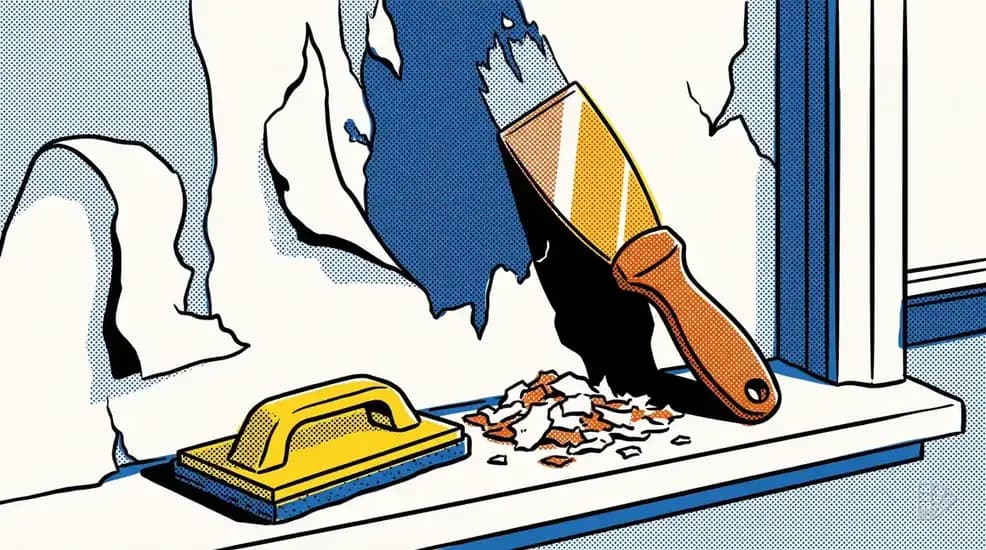
Cause: Poor adhesion or moisture
Cause: Heat or trapped moisture
Cause: Bad technique or thin coat
Cause: Overloaded brush or roller
Peeling, bubbling, and dripping paint all share a root cause: something went wrong between the surface and the paint film. The good news is every one of these problems is fixable in a single afternoon with basic tools. This guide covers how to diagnose what went wrong, repair the damage, and prevent it from happening again — whether you're patching a small section or repainting an entire room.
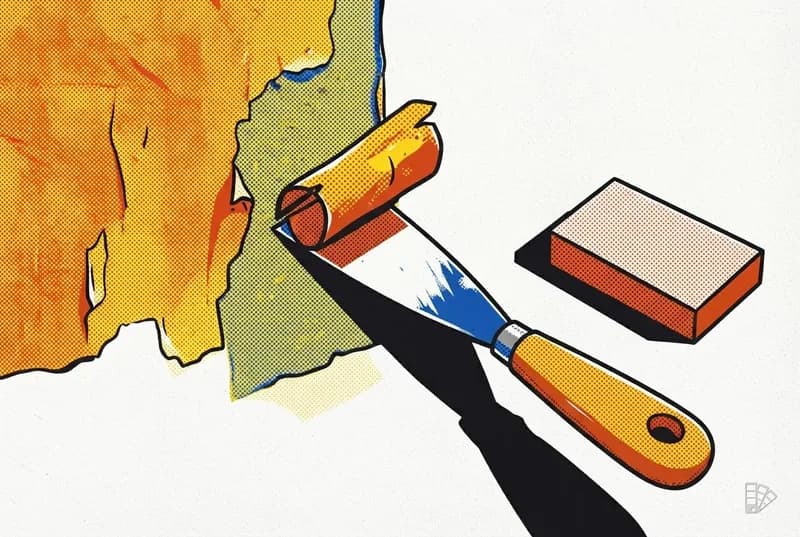
REPAIR SUPPLY CHECKLIST
Stiff putty knife (3-4")
SCRAPE & SANDScrape loose paint cleanly
120-grit & 220-grit sandpaper
SCRAPE & SANDFeather edges, smooth patches
Lightweight spackle
REPAIRFill divots and thin spots
Bonding primer
REPAIRLocks down repaired areas
Matching paint + roller
REPAINTSame product as original coat
2.5" angled brush
REPAINTEdges and small patches
TSP cleaner or dish soap
PREPDegrease before repainting
How to Fix Peeling & Flaking Paint
| Cause | Where | % |
|---|---|---|
| Moisture infiltration | Bathrooms, kitchens, basements | 40% |
| Poor surface prep | Any room — dirty or glossy surfaces | 30% |
| Incompatible paint layers | Latex over oil-based paint | 15% |
| Low-quality paint | Builder-grade single coats | 10% |
| Age & UV degradation | Exterior walls, sun-facing rooms | 5% |
Source: Industry estimates from coating failure analyses
Step-by-step repair
Scrape all loose paint
Hold a stiff putty knife at 30–45 degrees and push under every flake, chip, or curling edge. Work outward from the damaged zone until the blade meets paint that's firmly bonded. Don't pry — let the blade glide.
Sand the transition edges
Where bare wall meets intact paint, sand with 120-grit paper to feather the edge. You should not feel a ridge when you run your finger across the transition. Finish with 220-grit for a smooth surface the primer can grip.
Clean and dry the surface
Wipe the area with a damp rag and a drop of dish soap or TSP solution. This removes dust, grease, and sanding residue. Allow at least 30 minutes of drying time — moisture trapped under primer causes the same peeling all over again.
Fill divots with spackle
If scraping left any gouges deeper than a credit card thickness, apply lightweight spackle with a flexible knife. Overfill slightly — it shrinks as it dries. Once hard (about 20 minutes), sand smooth with 220-grit.
Apply bonding primer
Use a bonding primer (like Zinsser or KILZ) over the entire repaired area, extending 2–3 inches past the edge into the intact paint. This locks down the repair and gives the topcoat a consistent surface. For bathrooms, use a moisture-blocking primer — see our best paint for bathrooms guide.
Repaint
Once primer is dry (check the can — usually 1 hour), apply two coats of your finish paint. Feather each coat outward so the repair blends into the surrounding wall. Use our paint calculator if you need to buy fresh paint.
LEAD PAINT WARNING
In homes built before 1978, peeling paint may contain lead. Never scrape or sand without testing first. See our lead paint certification guide for EPA requirements and safe work practices.
PRO TIP
If peeling covers more than 30% of a wall, scrape and repaint the entire surface. Spot-patching large areas creates visible texture differences that never fully blend.
How to Fix Paint Bubbling & Blistering
Bubbles form when a layer of paint lifts away from the surface beneath it. Poke a bubble with a pin — what comes out tells you the cause:
WATER COMES OUT
Moisture is trapped behind the paint film. Common in bathrooms without exhaust fans, below-grade walls, or areas with plumbing leaks.
Fix the moisture source first, or the bubbles return.
AIR / DRY INSIDE
Heat caused the paint to dry too fast on the surface while the layer underneath stayed wet. This is common when painting in extreme temperatures or in direct sunlight.
Repaint in shade or below 85°F.
Repair steps
- 1Scrape away all blistered paint with a putty knife until you reach firmly adhered layers.
- 2Sand the edges with 120-grit paper to create a smooth transition between bare and painted areas.
- 3For moisture blisters: let the wall dry completely (use a fan or dehumidifier for 24–48 hours). For heat blisters: the surface is ready immediately after scraping.
- 4Apply a coat of bonding primer over the repair area. In damp zones, use a moisture-blocking primer like Zinsser B-I-N or KILZ Original.
- 5Repaint with two thin coats, allowing full drying time between each. Thin coats resist bubbling far better than one thick coat.
DID YOU KNOW
About 80% of coating failures are caused by inadequate surface preparation — not bad paint. Cleaning and priming before recoating is the single highest-ROI step in any repair.
How to Fix Uneven Paint & Drips
Fixing dried paint drips
Drips happen when too much paint is loaded onto a brush or roller. The fix depends on whether the drip is still wet or already dry.
STILL WET
- Smooth it out immediately with a nearly dry brush
- Use light, downward strokes to feather the excess
- No sanding or repainting needed
ALREADY DRY
- 1.Let it cure fully (24 hours minimum)
- 2.Slice the drip with a razor blade held flat against the wall
- 3.Sand smooth with 220-grit and touch up with a brush
Fixing uneven or streaky paint
Streaks and roller marks usually mean uneven pressure, poor paint distribution, or painting over a partially dry edge (lap marks). Here's how to salvage it:
- 1Sand the entire wall with 220-grit paper. This knocks down high spots and gives the next coat something to grip. Wipe dust with a tack cloth.
- 2Use a quality roller cover — cheap covers shed fibers and leave texture. A 3/8" nap microfiber or woven cover gives the smoothest finish on flat drywall.
- 3Maintain a wet edge. Work one wall at a time, floor to ceiling, overlapping each pass by half a roller width. Never stop mid-wall. For large walls, see our paint sprayer guide for faster, streak-free coverage.
- 4Apply two full coats. One thick coat always looks worse than two thin ones. Wait the manufacturer's recommended recoat time (usually 2–4 hours) between coats.
COMMON MISTAKES
- Pressing too hard on the roller
- Re-rolling nearly dry areas
- Using flat paint on high-traffic walls
- Skipping primer on patched spots
BEST PRACTICES
- Load roller evenly on the tray ramp
- Work wall-by-wall, top to bottom
- Choose satin or eggshell for durability
- Back-roll after spraying for even texture
Not sure which sheen hides imperfections best? Compare eggshell vs satin or read our satin vs semi-gloss comparison.
Prevention Cheat Sheet
NEVER PEEL AGAIN
Clean walls before painting
Dish soap + water, dry 30 min
Prime bare surfaces
Drywall, spackle patches, bare wood
Sand glossy surfaces
120-grit to degloss before recoating
Use bonding primer over oil paint
Latex won't stick to oil without it
Paint temp range
Too cold = poor adhesion, too hot = bubbles
Max humidity
Run a dehumidifier if above this
Recoat window
Check can label — varies by product
Full cure time
Don't scrub or hang items until cured
Coats minimum
Two thin coats beat one thick coat
Bathroom exhaust
Run fan during and 20 min after showers
WHEN TO CALL A PRO
- • Peeling covers an entire wall or ceiling
- • Suspected lead paint (pre-1978 homes)
- • Moisture source you can't identify or fix
- • Exterior paint failing on multiple sides
Get a sense of what pros charge with our cost to paint a house breakdown or interior cost calculator.
RELATED TOOLS & GUIDES
How to Paint a Room
Full step-by-step guide from prep to cleanup
FREE TOOLPaint Calculator
Figure out exactly how much paint to buy
GUIDEBest Paint for Bathrooms
Moisture-resistant formulas that resist peeling
COMPARISONEggshell vs Satin
Which sheen is more durable and easier to repair?
GUIDEHow to Paint Over Wallpaper
Avoid peeling when painting adhesive surfaces