HOW TO PAINT A ROOM
March 9, 2026 · 12 min read
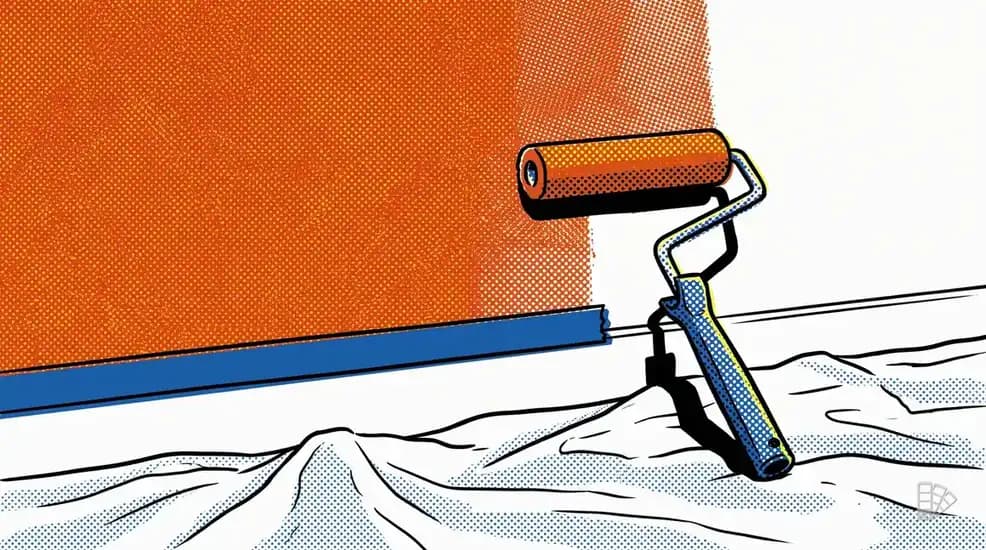
Average room
12x12 ft, one coat
Covers 350-400 sq ft
Per coat, smooth walls
DIY cost per room
Paint + supplies
Painting a room is one of the highest-impact home improvements you can do in a single weekend. A fresh coat of paint transforms a space for $50-150 in materials — less than most people spend on dinner for two. But a bad paint job looks worse than the old color. This guide walks you through every step the way professional painters do it, so your results look like you hired a crew.
SUPPLY CHECKLIST
Paint
MUST HAVE1 gal per 350-400 sq ft
2.5" angled brush
MUST HAVEFor cutting in edges
9" roller + frame
MUST HAVE3/8" nap for smooth walls
Painter's tape
MUST HAVEBlue or green, 1.5" wide
Drop cloths
MUST HAVECanvas > plastic (less slip)
Primer
IF NEEDEDRequired for bare drywall or stains
Caulk + spackle
PREPFill cracks, nail holes
220-grit sandpaper
PREPSmooth patches before painting
Prep the Room
60-90 min
Pros spend more time prepping than painting, and for good reason. A well-prepped room takes half the coats and looks twice as clean. Rushing prep is the number-one reason DIY paint jobs disappoint.
Clear and protect
- Move all furniture to the center and cover with canvas drop cloths. Canvas stays put better than plastic and absorbs drips.
- Remove outlet covers, light switch plates, and curtain hardware. Drop screws in a labeled bag per item.
- Tape off trim and baseboards with painter's tape. Press the edge firmly with a putty knife for a crisp seal.
Clean the walls
Wipe down every wall with a damp rag and mild dish soap, working top to bottom. Kitchens and bathrooms collect grease films that prevent adhesion. Allow 30 minutes to dry completely.
Repair and sand
Fill nail holes and hairline cracks with lightweight spackle. Let it dry 20 minutes, then sand flush with 220-grit paper. For deeper damage or peeling paint, scrape loose material first and apply a skim coat.
PRO TIP
After spackle dries, run your palm across the patch. If you can feel the edge, sand more. Paint magnifies imperfections — if you can feel it now, you'll see it later.
LEAD PAINT WARNING
Homes built before 1978 may contain lead paint. Do not sand or scrape without testing first. See our lead paint certification guide for EPA requirements.
Prime (When Needed)
30-60 min + dry time
Not every room needs primer, but skipping it when you should costs two extra coats of finish paint — costing more time and money than the primer itself.
ALWAYS PRIME
- • Bare drywall or new plaster
- • Going from dark to light colors
- • Over stains (water, smoke, marker)
- • Glossy or oil-based existing paint
- • Patched / repaired areas
SKIP PRIMER
- • Similar color over existing latex paint
- • Using premium paint-and-primer-in-one
- • Walls in good condition, no stains
- • Repainting within 2-3 years of last coat
For most rooms, a high-quality bonding primer like Zinsser Bulls Eye 1-2-3 or Kilz 2 works well. Apply one even coat with a roller and brush the corners. Let it dry at least one hour (check the can — some need two). Once dry, lightly sand any rough spots with 220-grit.
Wondering whether to use paint-and-primer-in-one? They work for color refreshes on clean walls, but standalone primer still wins for stain blocking and major color changes.
PRIMER DRY TIMES
Touch-dry times at 70°F, 50% humidity. Full cure takes 24 hours.
Cut In the Edges
30-45 min
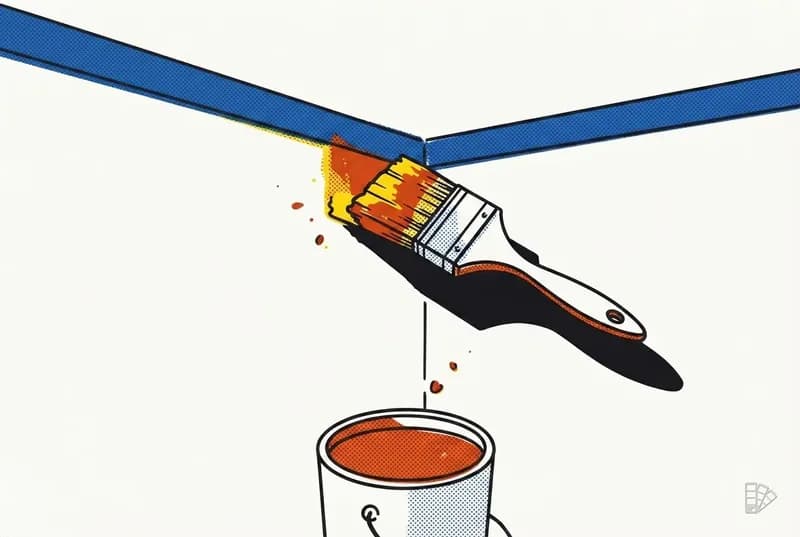
Cutting in means painting a 2-3 inch border around all edges where a roller can't reach — ceilings, corners, trim, outlets, and window frames. This is the step that separates a clean paint job from a sloppy one.
CUTTING-IN TECHNIQUE
How to cut in like a pro
- Load the brush. Dip 1/3 of the bristles into paint, then tap both sides against the bucket. Never drag across the rim — it removes too much paint.
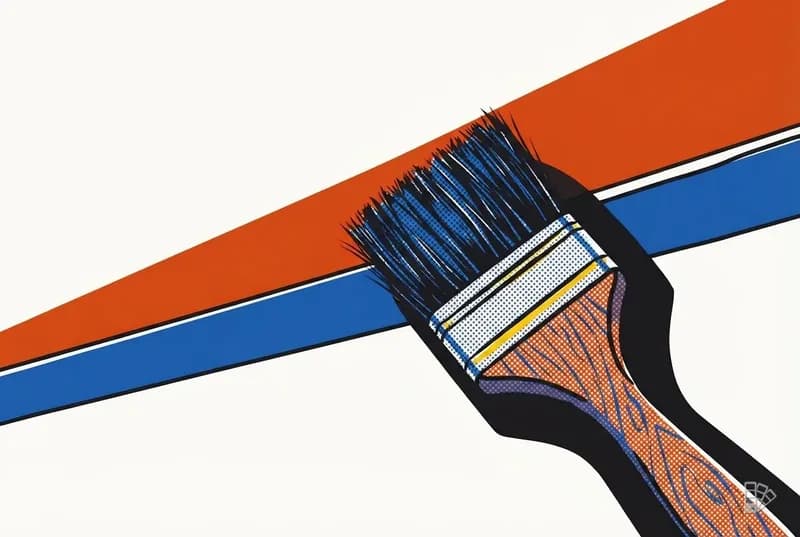
- Start 1" away from the edge and push the paint toward the line. Hold the brush at 45 degrees with the long edge of the angled bristles leading.
- Use long, steady strokes. 12-18 inches per stroke. Short dabs leave visible start/stop marks.
- Work in 4-foot sections and keep a wet edge. If you cut in the entire room before rolling, the brushed areas dry and show lap marks.
If you're also painting the ceiling, do it first. Cut in the ceiling edges, roll the ceiling, let it dry, then tape the ceiling line and cut in the walls.
PRO TIP
Keep a damp rag in your back pocket. If paint bleeds past the tape or you wobble on a cut line, wipe it immediately — dried mistakes require sanding.
Roll the Walls
45-90 min
Rolling covers the large flat areas between your cut-in lines. The right technique gives you even coverage with no roller marks, streaks, or thin spots. Use our paint calculator to make sure you have enough paint before you start.
THE W-PATTERN TECHNIQUE
Rolling technique step-by-step
- Load the roller evenly. Roll it through the paint tray reservoir, then roll back and forth on the tray ramp 3-4 times. The entire cover should be saturated but not dripping.
- Roll a large W pattern on a 3-4 foot section of wall without lifting the roller. This distributes paint across the area.
- Fill in the W with vertical strokes, overlapping each pass by half a roller width. Work from top to bottom with light, even pressure.
- Feather the edges by lifting the roller gradually at the end of each stroke. Stopping abruptly leaves visible lines.
ROLLER NAP GUIDE
Need help choosing a paint sheen? Our guide covers when to use flat, eggshell, satin vs semi-gloss, and more.
Second Coat + Ceiling Tips
2-3 hrs (incl. dry)
One coat is almost never enough. Even premium paints look patchy after a single coat because roller texture, brush strokes, and the underlying color all show through. Two coats give you true, uniform color.
WAIT TIME
2-4 hrs
Between coats (latex paint at 70°F)
TOUCH TEST
Cool + dry
No tackiness when you press your palm
HUMIDITY
+1 hr
Add time if humidity above 60%
Second coat technique
Repeat the same process: cut in edges first, then roll. But pay special attention to any thin spots or areas where the first coat looks uneven. Apply the same amount of paint — the second coat is not a "touch-up" coat, it's a full coat that builds color depth and durability.
CEILING PAINTING TIPS
- Paint the ceiling first. Always. Ceiling drips on fresh walls means starting over. Work ceiling → walls → trim.
- Use flat or matte ceiling paint. It hides imperfections and doesn't reflect light unevenly. Avoid eggshell or satin on ceilings.
- Roll in one direction — parallel to the main light source (usually the largest window). This minimizes visible roller texture. Read our full ceiling painting guide for detailed instructions.
- Use an extension pole. Working from a ladder is slow and leaves more lap marks because you constantly reposition.
Tape Removal & Cleanup
20-30 min
The last step can make or break your paint job. Removing tape at the wrong time or angle peels fresh paint off the wall, turning crisp lines into ragged edges.
CRITICAL: TAPE REMOVAL TIMING
Remove tape while the final coat is touch-dry but not fully cured — typically 30-60 minutes after the last coat. Fully dried paint bonds to the tape edge and tears when pulled.
How to remove tape cleanly
- Pull at a 45-degree angle away from the painted surface. Pulling straight back or straight up increases the chance of tearing.
- Pull slowly and steadily. Jerking or rushing causes the tape to snap and leaves adhesive behind.
- Score the edge first if the paint feels thick along the tape line. Run a fresh razor blade along the tape edge to break the paint film.
TAPE REMOVAL ANGLE
Cleanup checklist
- • Brushes: Rinse latex paint under warm running water. Work the bristles with your fingers until water runs clear. Reshape and hang to dry.
- • Roller covers: Run under water while squeezing with a 5-in-1 tool. Good quality covers can last 3-5 uses.
- • Paint trays: Line with aluminum foil next time for instant cleanup. For now, rinse or scrape once dry and reuse.
- • Leftover paint: Seal the can tightly and store in a cool, dry place. Label with room name and date. Most latex paint lasts 2-5 years unopened.
PRO TIP
Pour leftover paint into a glass jar labeled with the brand, color name, and formula number. Jars seal better than cans for small touch-up quantities and take less storage space.
6 Mistakes That Ruin Paint Jobs
Skipping the wash
Why it fails: Dust, grease, and grime prevent paint from bonding. The paint peels within months, especially in kitchens and bathrooms.
Fix: Wipe all walls with warm water and a drop of dish soap. Let dry 30 minutes before painting.
Choosing color from a tiny chip
Why it fails: Colors look dramatically different at scale. A warm beige chip can read pink on an entire wall under certain lighting.
Fix: Buy a sample pot and paint a 2x2 ft patch. View it at morning, noon, and evening light before committing.
Overloading the roller
Why it fails: Too much paint causes drips, splatters, and uneven texture. It also extends drying time and can sag on vertical surfaces.
Fix: Roll back and forth on the tray ramp 3-4 times until the roller is saturated but not dripping.
Cutting in the whole room at once
Why it fails: By the time you finish cutting in and start rolling, the brushed edges are dry. The overlap between brush and roller shows as a visible line (lap marks).
Fix: Cut in one wall at a time, then immediately roll that wall before moving to the next.
Removing tape too late
Why it fails: Fully dried paint bonds the tape to the wall. Pulling it off tears the fresh paint, leaving ragged edges that are nearly impossible to fix.
Fix: Remove tape 30-60 minutes after the final coat, while paint is touch-dry. Pull at 45 degrees, slowly.
Painting in poor conditions
Why it fails: High humidity (above 60%) and cold temperatures (below 50 degrees F) dramatically slow drying, causing sags, drips, and poor adhesion.
Fix: Paint between 50-85 degrees F with humidity under 60%. Run a dehumidifier or fan if needed. Never paint on a rainy day with windows open.
Quick Reference Cheat Sheet
ROOM PAINTING CHEAT SHEET
PAINT ORDER
KEY NUMBERS
HOW MUCH PAINT?
(Wall height × perimeter) − (windows + doors) = sq ft
sq ft ÷ 350 = gallons per coat
Use our paint calculator for an exact number.
DIY VS. HIRE A PRO
DIY makes sense
- • Single room, good condition
- • Same or similar color
- • Standard height ceilings
Hire a pro
- • Whole house, multiple rooms
- • Tall ceilings, stairwells
- • Lead paint or major repairs
See how much it costs to paint a room for pro pricing breakdowns.
RELATED TOOLS & GUIDES
Paint Calculator
Find out exactly how much paint you need for any room
GUIDEHow to Paint a Ceiling
Detailed ceiling painting guide with drip-free technique
GUIDEHow to Paint Trim & Baseboards
Get perfect trim lines with proper prep and brush technique
GUIDECost to Paint a House
Complete pricing breakdown for interior and exterior painting
COMPARISONEggshell vs Satin
Which sheen is right for your living room, bedroom, or bath?