PAINT SHEEN GUIDE
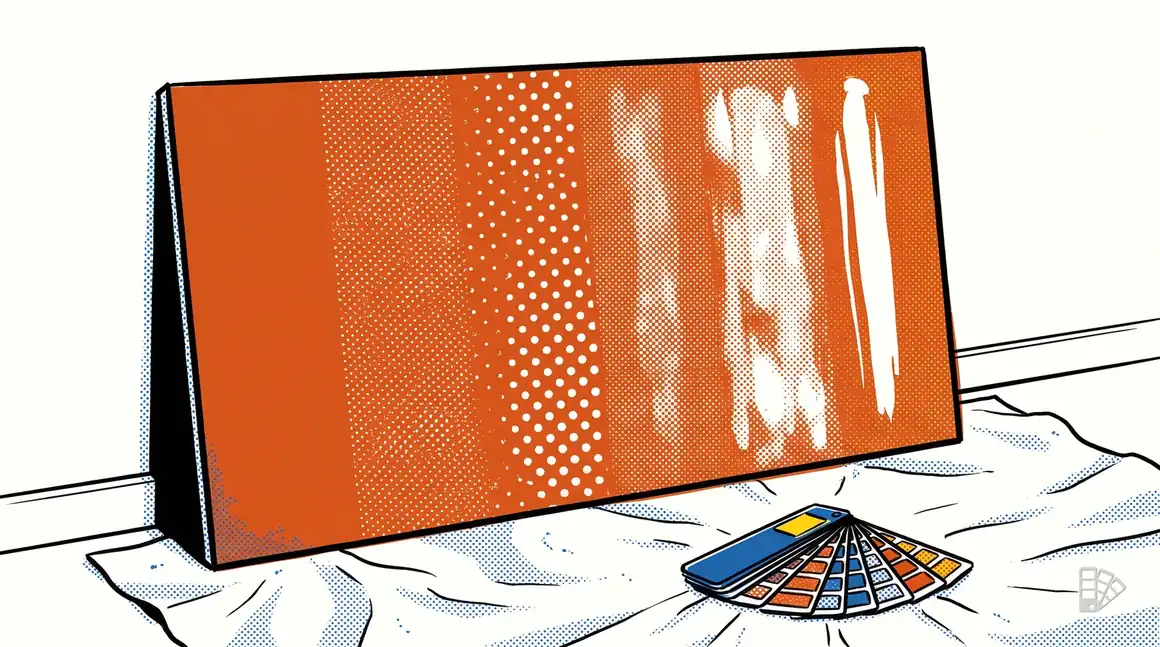
THE SHEEN SPECTRUM
Light reflection increases left to right
FLAT
0-5% gloss
MATTE
5-10% gloss
EGGSHELL
10-25% gloss
SATIN
25-35% gloss
SEMI-GLOSS
35-70% gloss
HIGH GLOSS
70-90% gloss
Paint sheen is the single most misunderstood choice in any painting project. Pick too flat, and your freshly painted room looks chalky and scuffs within months. Go too glossy, and every wall imperfection screams at you under overhead lighting.
This guide covers every paint finish from dead flat to mirror-like high gloss — with room-by-room recommendations, durability ratings, and primer pairing advice. Whether you're a homeowner or a painting contractor advising clients, this is the definitive reference.
Every Finish Type Explained
Six sheen levels exist on a spectrum from zero light reflection to maximum gloss. Each has trade-offs between durability, cleanability, and how forgiving it is on imperfect surfaces. For a deeper look at specific matchups, see our comparisons of flat vs eggshell and satin vs semi-gloss.
Flat / Matte
No sheen · 0-10% light reflection
STRENGTHS
- Hides wall imperfections, nail pops, and patches
- No visible brush or roller marks
- Best touch-up blending of any sheen
WEAKNESSES
- Stains easily and difficult to clean
- Scuffs and marks from furniture or hands
- Not suitable for high-traffic or moisture areas
Best for: Adult bedrooms, ceilings, formal dining rooms
Avoid for: Kitchens, bathrooms, hallways, kids' rooms
Eggshell
Low sheen · 10-25% light reflection
STRENGTHS
- Soft luster without noticeable shine
- More washable than flat — handles light cleaning
- Hides minor surface flaws
WEAKNESSES
- Touch-ups can show if not feathered properly
- Not durable enough for heavy-use surfaces
- Shows burnishing if scrubbed too hard
Best for: Living rooms, bedrooms, offices, low-traffic hallways
Avoid for: Cabinets, trim, bathrooms, laundry rooms
Satin
Medium sheen · 25-35% light reflection
STRENGTHS
- The most versatile sheen — works nearly everywhere
- Resists mildew and moisture well
- Easy to wipe clean without damaging the finish
WEAKNESSES
- Shows application flaws more than eggshell
- Touch-ups harder to blend than lower sheens
- Slightly highlights wall imperfections
Best for: Kitchens, bathrooms, hallways, kids' rooms, trim
Avoid for: Ceilings (too much sheen), walls with many patches
Semi-Gloss
High sheen · 35-70% light reflection
STRENGTHS
- Highly durable and scrubbable
- Excellent moisture resistance
- Creates crisp visual contrast with matte walls
WEAKNESSES
- Shows every wall flaw and brush mark
- Requires careful prep and application
- Touch-ups are visible — usually need full recoat
Best for: Trim, doors, cabinets, bathrooms, kitchens
Avoid for: Large wall surfaces (unless perfectly smooth)
High Gloss
Maximum sheen · 70-90% light reflection
STRENGTHS
- Mirror-like, factory-quality finish
- Hardest, most durable surface of any sheen
- Stunning on furniture, front doors, and accent trim
WEAKNESSES
- Magnifies every surface imperfection
- Requires spray application for best results
- Extremely difficult to touch up
Best for: Front doors, accent furniture, designer trim
Avoid for: Walls, ceilings, any surface with imperfections
For head-to-head comparisons, see eggshell vs satin and semi-gloss vs gloss.
Side-by-Side Comparison
This table compares every sheen across the metrics that actually matter. Use it as a quick-scan reference when advising clients or building a painting estimate.
| SHEEN | DURABILITY | HIDES FLAWS | CLEANABLE | TOUCH-UP | MOISTURE | COST |
|---|---|---|---|---|---|---|
| Flat / Matte | $ | |||||
| Eggshell | $ | |||||
| Satin | $$ | |||||
| Semi-Gloss | $$ | |||||
| High Gloss | $$$ |
Key pattern: As sheen increases, durability and cleanability go up — but flaw-hiding and touch-up ability go down. Every sheen choice is a trade-off between these two forces.
Room-by-Room Recommendations
Different rooms have different demands. A bathroom needs moisture resistance. Kitchen cabinets need scrub resistance. A master bedroom needs to hide nail pops. Here's what works where.
Kitchen
WALLS Satin or semi-gloss
TRIM Semi-gloss
CEILING Flat
Grease splatter and steam demand wipeable surfaces. Semi-gloss resists yellowing near stove heat.
Bathroom
WALLS Satin or semi-gloss
TRIM Semi-gloss
CEILING Satin
Moisture resistance is non-negotiable. Satin on the ceiling prevents mildew from shower steam.
Master Bedroom
WALLS Flat or eggshell
TRIM Satin
CEILING Flat
Low traffic means you can prioritize aesthetics. Flat hides drywall seams and creates a calm, matte look.
Living Room
WALLS Eggshell or satin
TRIM Semi-gloss
CEILING Flat
Moderate traffic needs some durability. Eggshell balances a clean look with scuff resistance.
Kids' Room / Playroom
WALLS Satin
TRIM Semi-gloss
CEILING Flat
Crayon, markers, and fingerprints wipe off satin easily. Flat would stain permanently.
Hallway & Stairs
WALLS Satin or eggshell
TRIM Semi-gloss
CEILING Flat
High-touch surfaces need scrub resistance. Satin handles shoulder rubs and handprints.
Doors & Trim
WALLS N/A
TRIM Semi-gloss or high gloss
Higher sheen on trim creates visual contrast with matte walls and handles constant contact.
Garage / Utility
WALLS Semi-gloss
TRIM Semi-gloss
CEILING Flat or eggshell
Maximum cleanability for oil, dirt, and chemical splashes. Easy hose-down.
Need to estimate how much paint each room requires? Use our paint calculator for room-by-room quantities, or check room painting costs for budgeting.
Primer & Sheen Pairing
Primer isn't optional — it's the foundation that determines how your sheen performs. The wrong primer under a high-gloss topcoat magnifies imperfections instead of hiding them.
New drywall (never painted)
USE: PVA drywall primer
Seals porous drywall so topcoat sheen develops evenly. Without it, flat looks blotchy and satin looks dead in spots.
Over dark colors or stains
USE: High-hide white primer (2 coats)
Dark bleed-through dulls sheen and shifts color. Shellac-based (Zinsser BIN) blocks the worst stains.
Glossy surface (cabinets, trim)
USE: Bonding primer (adhesion-grade)
Sanding alone isn't enough on slick surfaces. Bonding primer gives the topcoat something to grip.
Bare wood
USE: Oil-based or shellac primer
Seals tannins that bleed through water-based paint. Critical for cedar, redwood, and knotty pine.
Previously painted (good condition)
USE: Optional — spot-prime patches only
If the existing paint is sound and similar in sheen, two topcoats over a light scuff-sand is sufficient.
Concrete or masonry
USE: Masonry primer / block filler
Fills porous concrete and prevents alkali burn. Required before any sheen coat on basement walls.
Never skip primer when changing sheen levels drastically (e.g., flat to semi-gloss). The old sheen creates uneven absorption that makes the new topcoat look patchy, even after two coats.
Pro tip: Ask your paint supplier to tint the primer to approximately 50% of your topcoat color. This improves coverage and reduces the number of topcoats needed — especially with reds, yellows, and deep blues. For more surface-specific guidance, see our articles on painting concrete and painting wood paneling.
Pro Tips & Common Mistakes
After thousands of rooms, these are the sheen-related mistakes that professionals see most — and the tips that separate a good paint job from a great one.
Using flat paint in a bathroom
Flat paint absorbs moisture, grows mildew, and peels within 6-12 months in humid environments.
Use satin or semi-gloss. Both resist moisture and wipe clean after steam exposure.
Mixing sheens on the same wall
Touch-ups with a different sheen (even same color) create visible patches under any angle of light.
Keep leftover paint labeled with the exact sheen. Always touch up with the original product.
Choosing high gloss for walls
High gloss on drywall highlights every seam, screw pop, and mud line. The result looks amateur.
Reserve high gloss for trim, doors, and accent furniture. Use eggshell or satin for walls.
Skipping primer when changing sheen
Going from flat to semi-gloss without primer causes uneven absorption. The new paint looks blotchy.
Apply one coat of quality primer, then two topcoats. The primer evens out porosity.
Using semi-gloss on ceilings
Semi-gloss on ceilings creates glare and reflects every imperfection from overhead lighting.
Use dead flat or matte on ceilings. Special ceiling paints are extra-flat for this reason.
CONTRACTOR TIPS
- Always paint a 2x2 ft sample patch and view it at different times of day. Artificial light changes how sheen appears dramatically.
- If in doubt between two sheens, go with the lower one. You can always repaint with higher sheen, but you can't easily go back down.
- For trim that contrasts with walls, jump at least two sheen levels (e.g., eggshell walls + semi-gloss trim). One level difference looks accidental.
- Satin is the safest default for any room. It's forgiving enough for DIY application but durable enough for contractor-quality results.
For application technique advice, see our guides on using a paint sprayer and painting trim and baseboards.
QUICK REFERENCE
- Best all-around sheen
- Satin
- Best for hiding flaws
- Flat / Matte
- Most durable
- High Gloss
- Best for kitchens
- Satin or Semi-Gloss
- Best for bathrooms
- Semi-Gloss
- Best for bedrooms
- Flat or Eggshell
- Best for trim & doors
- Semi-Gloss
- Best for cabinets
- Semi-Gloss (pro: High Gloss)
- Best for ceilings
- Flat (dead matte)
- Easiest to touch up
- Flat
- Hardest to touch up
- High Gloss
- Always requires primer
- New drywall, bare wood
RELATED TOOLS & GUIDES
Matte vs Eggshell
Modern scrubbable matte vs eggshell, by product tier.
GUIDEBest Paint for Trim
Enamel trim paints ranked by hardness, leveling, and sheen.
COMPARISONSatin vs Semi-Gloss
Head-to-head comparison of the two most popular sheens.
COMPARISONEggshell vs Satin
Which low-sheen finish is right for your walls?
COMPARISONFlat vs Eggshell
When matte works and when you need a step up.
GUIDEBest Paint for Bathrooms
Top picks for high-moisture rooms and finishes.
FREE TOOLPaint Calculator
Calculate exactly how much paint you need per room.