FLAT VS EGGSHELL
The two lowest-sheen interior finishes — separated by a whisper of light reflectance but worlds apart in durability. Here's when to use flat paint and when eggshell is the smarter call.
Quick Verdict
For most interior walls, eggshell is the better default. It handles everyday wear, cleans with a damp cloth, and still looks refined. Switch to flat only on ceilings, formal rooms that rarely see traffic, and accent walls where you want a velvety, zero-glare look. If you need even more durability, step up to satin.
FLAT / MATTE
Best for: Ceilings, formal dining rooms, adult bedrooms, accent walls
- Best at hiding wall imperfections, patches, and texture
- Zero glare — soft, elegant look under any lighting
- Cheapest per gallon ($3–$8 less than eggshell)
- Ideal for low-traffic rooms where walls rarely get touched
- Marks easily from fingerprints, scuffs, and furniture
- Nearly impossible to scrub clean without damaging finish
- Needs more frequent repainting in busy areas
EGGSHELL
Best for: Living rooms, bedrooms, hallways, home offices
- Subtle sheen adds depth without looking glossy
- Wipes clean with a damp cloth — handles light scrubbing
- Touches up better than any finish above it on the sheen scale
- Versatile enough for 80% of interior walls
- Shows wall imperfections slightly more than flat
- Costs a few dollars more per gallon
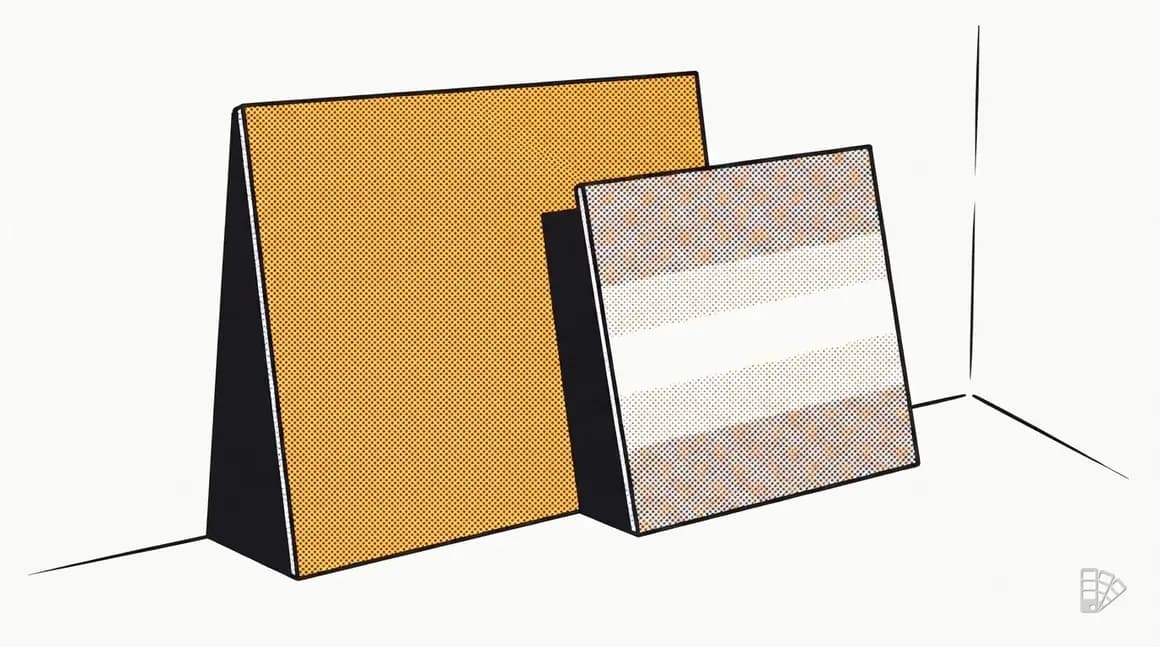
Where They Sit on the Sheen Scale
Flat reflects almost no light — roughly 0–5%. Eggshell reflects 10–25%, creating a faint pearl-like glow visible mainly at oblique angles. Both sit at the bottom of the sheen spectrum, well below satin and semi-gloss.
SHEEN SCALE — FLAT VS EGGSHELL
Light reflectance percentage — flat and eggshell sit at the bottom of the spectrum
FLAT: 0–5% REFLECTANCE
Absorbs nearly all light. Zero visible sheen, even under direct lamp or window light.
EGGSHELL: 10–25% REFLECTANCE
Faint pearl-like glow visible at angles. Named because the sheen resembles an actual eggshell.
Feature-by-Feature Comparison
Every metric that matters when deciding between these two finishes. Use our interior painting cost calculator to estimate total project costs once you have picked your finish.
| FEATURE | FLAT / MATTE | EGGSHELL |
|---|---|---|
| Sheen Level | None (0–5% reflectance) | Low (10–25% reflectance) |
| Durability | Low — marks and scuffs easily | Moderate — handles everyday contact |
| Washability | Poor — scrubbing removes paint film | Good — damp cloth wipes most marks |
| Hides Imperfections | Excellent — absorbs light, conceals drywall flaws | Good — slight sheen may reveal deeper dents |
| Touch-Up Ease | Great — blends invisibly on most walls | Very good — subtle sheen difference in spots |
| Stain Resistance | Poor — absorbs stains into the surface | Fair — surface repels light stains |
| Application | Very forgiving — hides roller and brush marks | Forgiving — minor lap marks still disappear |
| Best Rooms | Ceilings, guest rooms, formal spaces | Living rooms, bedrooms, hallways, offices |
| Price (per gallon) | $20 – $45 | $25 – $55 |
| Repaint Cycle | 3–5 years in traffic areas | 5–8 years in most rooms |
When to Use Flat Paint
Flat paint has a bad reputation for being fragile, but it earns its place in specific situations. Knowing when to use flat paint saves you from both over-spending on sheen you do not need and under-protecting walls that take a beating.
Ceilings — Almost Always Flat
Ceilings have no traffic and no touchpoints. Flat eliminates glare from overhead lights and hides every tape joint and patch. Even painters who prefer eggshell on walls default to flat on ceilings.
Accent Walls with Bold Colors
Dark or saturated accent colors look richer in flat. Sheen can cause hot spots under direct lighting, making the color appear uneven. Flat delivers a consistent, velvety depth across the entire surface.
Older Walls with Patches and Texture
Plaster repairs, skim-coated patches, and uneven textures all become less visible in flat. Even a slight eggshell sheen can spotlight the difference between patched and original drywall.
Rental Properties and Quick Refreshes
Flat paint is $3–$8 cheaper per gallon and covers imperfections from previous tenants. For landlords repainting between leases, flat on walls and ceilings is the most cost-effective option.
Formal or Low-Traffic Rooms
Guest bedrooms, formal dining rooms, and sitting rooms where walls rarely get touched. The zero-sheen look reads as upscale and intentional — many high-end designers prefer flat for this reason.
Room-by-Room Recommendation
Most homes benefit from using both finishes. Use our paint calculator to figure out how many gallons of each you will need. For budget planning, check out what it costs to paint a room.
No contact, no cleaning needed. Flat eliminates glare from overhead fixtures and hides tape joints perfectly.
Moderate traffic from guests and family. Eggshell wipes clean after scuffs while still looking refined.
Low traffic favors flat for a serene look. If furniture bumps the walls often, eggshell makes touch-ups easier.
Rarely occupied, minimal wear. Flat gives a boutique-hotel softness that impresses occasional visitors.
Formal dining walls rarely get touched. Flat provides a gallery-like backdrop for art and lighting.
Grease, steam, and splatter demand a cleanable surface. Eggshell handles damp-cloth wiping far better than flat.
Humidity and water splashes need moisture resistance. Flat absorbs water and promotes mildew growth.
Highest-traffic zone in the house. Shoulder rubs, bags, and pet contact make flat impractical here.
Crayon, marker, and fingerprints are inevitable. Eggshell lets you clean most marks without repainting.
Desks and chairs bump walls regularly. Eggshell's mild sheen also reduces video-call flatness on camera.
The Bottom Line
THE RULE
Flat on surfaces nobody touches.
Eggshell on everything else.
If the wall will get bumped, brushed, or wiped even once a month, eggshell pays for itself in fewer touch-ups and longer repaint cycles. Reserve flat for ceilings, formal rooms, and accent walls where the velvety look matters more than durability.
80%
of interior walls use eggshell or higher
2x
longer between repaints vs flat in traffic areas
$3–$8
per gallon price difference (flat is cheaper)
Ready to step up the sheen ladder? See how eggshell compares to the next level in our eggshell vs satin comparison. Or jump straight to our complete paint sheen guide for the full picture from flat to high-gloss.
Frequently Asked Questions
RELATED TOOLS & GUIDES
Matte vs Eggshell
Modern scrubbable matte vs eggshell, by product tier.
COMPARISONFlat vs Satin
The two ends of the wall-paint range, inside and out.
COMPARISONEggshell vs Satin
Moving up the sheen ladder — when eggshell isn't durable enough.
COMPARISONSatin vs Semi-Gloss
Higher sheens for trim, cabinets, and high-moisture rooms.
GUIDEPaint Sheen Guide
Complete breakdown of all five finishes from flat to high-gloss.
GUIDEHow to Paint a Room
Step-by-step process once you have picked your finish.
FREE TOOLPaint Calculator
Figure out how many gallons you need for your next project.