HOW TO PAINT KITCHEN CABINETS
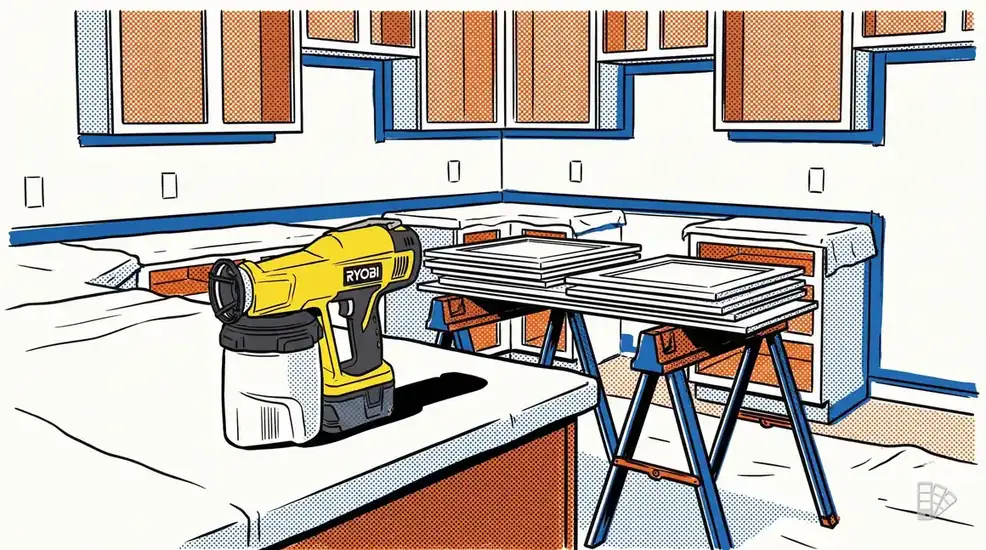
Painting kitchen cabinets is the single highest-ROI home improvement project you can tackle. For $200-600 in materials, you get a kitchen transformation that would cost $15,000-25,000 with new cabinets. But cabinet painting is unforgiving — skip a step and you get peeling, sticky, or blotchy results within months.
This guide covers the exact process professional painters use to achieve a factory-smooth finish. Whether you're a DIY homeowner or a painting contractor bidding cabinet jobs, every step matters.
Paint vs Replace: The Real Cost
Before diving into the how-to, let's look at why painting is worth the effort. For a typical kitchen with 20-30 doors, here's what you're looking at. Use our interior painting cost calculator for a precise estimate.
PAINT CABINETS
$200 – $600
DIY cost
$1,800 – $4,500
Professional painter cost, 10x10 kitchen
- 3-5 day project
- Kitchen stays functional
- Lasts 8-10 years
REPLACE CABINETS
$15,000 – $25,000
Average cost
$30,000+
Custom cabinetry
- 4-8 week project
- Kitchen unusable during install
- Lasts 15-20 years
Painting saves you 85-95% compared to full replacement
What You Need Before You Start
Gather everything before you begin — nothing kills momentum like a mid-project hardware store run. Budget $200-400 for a standard kitchen in supplies.
SUPPLY CHECKLIST
Screwdriver & labeled bags
For hardware removal
TSP or degreaser
Krud Kutter or liquid TSP
120- and 220-grit sandpaper
Or sanding sponges for profiles
Bonding primer
Shellac-based or adhesion primer
High-density foam rollers (4")
Leaves zero stipple texture
2.5" angled sash brush
For recessed panel details
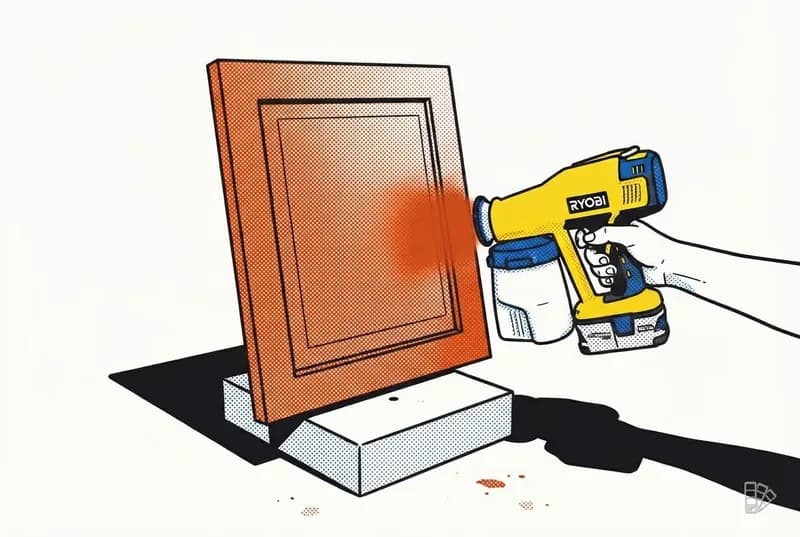
HVLP sprayer (optional)
Best finish quality — factory look
Drop cloths & painter's tape
Frog Tape for sharp lines
Cabinet paint (semi-gloss or satin)
See paint type comparison below
Step 1: Remove Doors, Drawers & Hardware
This is the step most people rush through, and it makes or breaks your results. Remove every door, drawer front, and piece of hardware — hinges, pulls, knobs, catches. Paint builds up on hardware edges and causes sticky doors later.
Label everything. Use painter's tape on the back of each door with a number, and put a matching number inside the cabinet box. Take a photo of the layout before you start. When it's time to rehang 20+ doors, you'll thank yourself.
Place all screws and hardware in labeled zip-lock bags. If you're upgrading hardware, now is the time to measure hole spacing. New knobs are a $30-50 upgrade that dramatically changes the look.
PRO TIP
Photograph the hinge positions with a ruler visible in the shot. Even with labels, hinge placement is the #1 cause of misaligned doors during reassembly. Pros use a door-painting rack system to organize and dry doors vertically.
Step 2: Clean & Degrease Every Surface
Kitchen cabinets accumulate years of cooking grease, especially above the stove. Regular cleaning isn't enough — you need a dedicated degreaser. TSP (trisodium phosphate) or Krud Kutter works best. Mix according to label directions, scrub with a sponge, and wipe clean with water.
Pay extra attention to the area around the stove and above the microwave — grease builds up invisibly and causes primer failure. If paint peels within months, insufficient degreasing is almost always the cause. Fixing peeling paint means starting over, so get this right.
PRO TIP
Wipe surfaces with denatured alcohol as a final step after TSP. This removes any remaining residue that could interfere with primer adhesion. Let everything dry completely (2+ hours) before sanding.
Step 3: Sand & Prime
Sand all surfaces with 120-grit sandpaper to scuff the existing finish. You're not removing the old paint or stain — just creating a rough surface for primer to grip. Use sanding sponges for raised-panel or shaker-style profiles where flat sandpaper can't reach.
Wipe everything with a tack cloth (not a damp rag — it reintroduces moisture). Then apply a shellac-based bonding primer like Zinsser BIN or KILZ Original. These primers stick to virtually anything — stained wood, thermofoil, laminate, even previously varnished surfaces.
Apply one even coat. Don't worry about covering perfectly — primer is about adhesion, not color. Let it dry for the time specified on the can (usually 45 min to 1 hour), then lightly sand with 220-grit for an ultra-smooth base.
PRO TIP
For laminate or thermofoil cabinets, skip the 120-grit sand and go straight to a bonding primer rated for non-porous surfaces. Sanding laminate can damage the surface layer without improving adhesion.
Best Paint Types for Kitchen Cabinets
Not all paint is created equal for cabinets. You need a paint that cures to a hard, scrubbable finish and self-levels to minimize brush marks. See our full best paint for cabinets guide for brand-by-brand comparisons.
| PAINT TYPE | DURABILITY | DRY TIME | SELF-LEVEL | CLEANUP | COST |
|---|---|---|---|---|---|
| Alkyd / Oil-Based | high | 16-24 hrs | Mineral spirits | $45-65/gal | |
| Acrylic Latex | medium | 2-4 hrs | Soap & water | $35-55/gal | |
| Hybrid Alkyd (Water-Based) | high | 4-6 hrs | Soap & water | $50-75/gal |
Pro pick: Hybrid alkyd paints like Benjamin Moore Advance or Sherwin-Williams Emerald Urethane give you oil-based hardness with water cleanup. They're the industry standard for cabinet refinishing in 2026.
Spray vs Brush + Roller
Both methods can produce excellent results. The right choice depends on your kitchen size, budget, and experience. Learn more in our sprayer guide.
SPRAYING
- Factory-smooth finish — no brush marks
- Fastest application for large kitchens (20+ doors)
- Even coverage on raised-panel and shaker profiles
- Requires spray booth or extensive masking
- HVLP sprayer costs $100-300 to buy (or $50/day rental)
- Steeper learning curve — runs and drips for beginners
Best for: 20+ doors, professionals, or anyone who owns/rents an HVLP
BRUSH + ROLLER
- No special equipment needed — start today
- Easier to control for beginners
- No masking beyond normal painter's tape
- Possible stipple/roller texture (fixable with foam rollers)
- Slower — each door needs brush + roller in sequence
- Harder to get into raised-panel details cleanly
Best for: DIYers, small kitchens (under 20 doors), first-timers
Step 4: Apply Paint (2 Coats)
This is where your paint sheen choice and application method matter most. Whether you spray or use brush-and-roller, the technique is the same:
- Paint the back of doors first — set them flat on painter's pyramids. Any mistakes happen on the less-visible side.
- Work the recessed areas first with an angled sash brush, then immediately roll the flat panels with a 4" foam roller.
- Maintain a wet edge — always work from wet paint into dry. This prevents lap marks, which are the most visible flaw on cabinet doors.
- Thin coats over thick coats. Two thin coats with proper dry time will always beat one thick coat. Thick coats sag, drip, and take days longer to cure.
Wait a full 24 hours between coats. Yes, the can says "recoat in 4-6 hours" — but for cabinets that need to survive daily use, longer dry time means a harder final finish.
PRO TIP
For a satin vs semi-gloss cabinet finish: satin hides imperfections better but shows fingerprints slightly more. Semi-gloss is easier to clean but reveals every bump. Most pros choose satin for doors and semi-gloss for cabinet boxes — it's a subtle difference that looks intentional.
Step 5: Dry, Cure & Reassemble
Dry time and cure time are not the same thing. Your cabinets will feel dry to the touch in hours, but the paint won't reach full hardness for 2-3 weeks. During this cure period:
- Don't stack doors against each other — they'll stick together
- Don't scrub or use harsh cleaners for the first month
- Close doors gently — slamming can dent uncured paint
- Keep the kitchen well-ventilated to speed curing
Reinstall hardware carefully. Thread screws by hand first to avoid cross-threading. Adjust hinges so doors hang evenly — this is where those photos from Step 1 pay off.
COMMON MISTAKE
Rehanging doors too soon. Even if paint feels dry, closing and opening doors creates friction that can peel fresh paint at the edges. Wait at least 48-72 hours before hanging, and use felt bumper pads on door interiors to prevent impact damage during the cure period.
Which Sheen for Kitchen Cabinets?
Kitchen cabinets face moisture, grease, and constant handling — your sheen choice directly affects durability. Here's what works for cabinets:
SATIN
Most popular
Soft luster, hides imperfections, easy to clean
SEMI-GLOSS
Classic choice
Higher sheen, most durable, shows surface flaws
MATTE / FLAT
Avoid
Stains easily, hard to clean, not suitable for kitchens
Project Timeline: Day by Day
Plan for a long weekend. Here's a realistic day-by-day schedule for a typical kitchen (20-30 cabinet doors).
REMOVE & CLEAN
4-6 hrs- Remove all doors, drawers, and hardware
- Label every piece (painter's tape + number)
- Degrease all surfaces with TSP
SAND & PRIME
5-7 hrs- Sand all surfaces with 120-grit
- Wipe with tack cloth
- Apply bonding primer (1 coat)
LIGHT SAND & FIRST COAT
4-6 hrs- Light sand primer with 220-grit
- Remove dust with tack cloth
- Apply first coat of paint
SECOND COAT
4-5 hrs- Light sand first coat with 220-grit
- Apply second (final) coat of paint
- Inspect for drips, touch up immediately
REASSEMBLE
2-3 hrs- Allow 24+ hours full dry time
- Reinstall hinges and hardware
- Hang doors and adjust alignment
TOTAL PROJECT TIME: 3-5 DAYS
Plus 2-3 weeks cure time before heavy use
QUICK REFERENCE
- Best paint type
- Hybrid alkyd (water-based)
- Best sheen
- Satin or semi-gloss
- Primer
- Shellac-based bonding primer
- Sanding grits
- 120 (prep) + 220 (between coats)
- Coats needed
- 1 primer + 2 paint
- Dry time between coats
- 24 hours minimum
- Full cure time
- 2-3 weeks
- DIY cost (avg kitchen)
- $200-600
- Pro cost (10x10 kitchen)
- $1,800-4,500
- Total project time
- 3-5 days
RELATED TOOLS & GUIDES
Cabinet Refinishing vs Painting
Refinish, paint, reface, or replace — cost and when each fits.
FREE TOOLCabinet Painting Cost Calculator
Per-door cabinet pricing by material, finish, and spray vs brush.
GUIDEBest Paint for Cabinets
Top-rated paints for kitchen and bathroom cabinets compared.
FREE TOOLPaint Calculator
Calculate exactly how much paint you need for your project.
GUIDEHow to Paint a Room
Complete guide to painting any interior room start to finish.
COMPARISONSatin vs Semi-Gloss
Which paint sheen is right for your cabinets and trim?
GUIDEHow to Use a Paint Sprayer
HVLP and airless sprayer techniques for interior projects.